

Well and Septic Systems in Virginia: What Every Rural Homebuyer Should Know
7-minute read
Category: Buying & Selling | Rural Property
Country Living Comes With a Few Different Questions
For many buyers, part of the appeal of living in the Shenandoah Valley is getting a little farther away from things.
A few acres. A mountain view. Room for a garden. Maybe a barn, a workshop, or simply enough distance from the neighbors that you don't know what they're having for dinner.
Move outside the cities and towns, though, and there's a good chance the house won't be connected to public water and sewer.
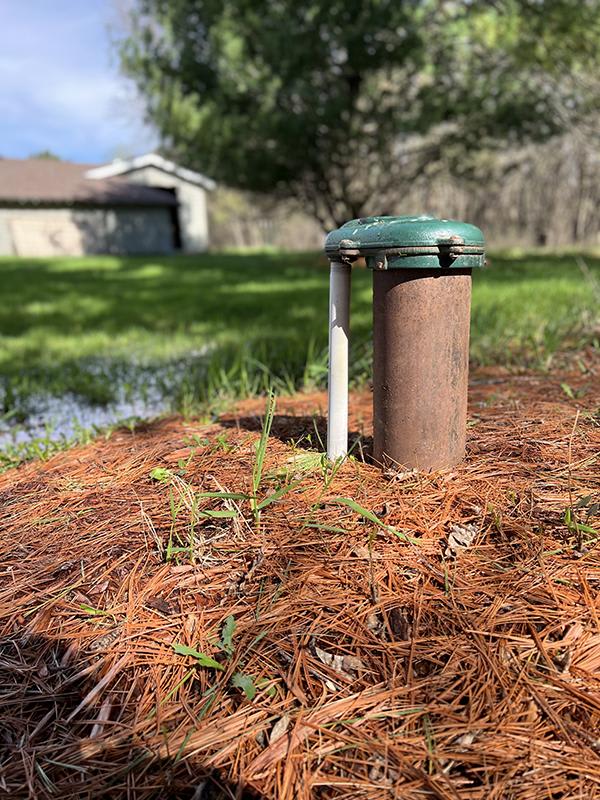
Instead, you'll have a private well and septic system.
For buyers accustomed to municipal utilities, those words can sometimes create unnecessary concern. In reality, private wells and septic systems are commonplace throughout Rockingham County, Augusta County, Page County, Shenandoah County, Albemarle County, and much of rural Virginia.
They aren't necessarily better or worse than public utilities.
They're simply different—and they require buyers to ask a different set of questions.
Quick Facts
Best For: Buyers considering rural homes, farms, acreage, or building lots in Virginia
Most Important Advice: Don't assume a system is working properly simply because no obvious problem exists.
Bottom Line: Understand what you have, inspect it appropriately, and know what maintaining it will involve before you buy.
First, What Does a Septic System Actually Do?
When a home isn't connected to a municipal sewer system, wastewater has to be treated on the property.
That's the job of the septic system.
In a typical conventional system, wastewater flows from the house into a septic tank. Solids remain in the tank while liquid wastewater moves into a drainfield, where it is dispersed into the soil.
It's a relatively simple concept, and properly designed and maintained systems can serve homes for many years.
But not every septic system is conventional.
Depending on the property's soils, topography, age, and development history, you may encounter alternative or engineered systems with pumps, treatment units, alarms, or other mechanical components.
Before worrying about a septic system, the first question should be simple:
What kind of system am I buying?
1. Find the Septic Records
One of the first things I like to determine when evaluating a rural property is what documentation exists.
Available records can tell you quite a bit about the system, including its permitted capacity, components, location, installation history, and whether repairs or upgrades have occurred. Virginia Department of Health recommends reviewing these records when purchasing a home with an onsite sewage system.
Useful records may identify:
The type of septic system
Approximate location of the tank
Drainfield location
System design
Permitted capacity
Repair or reserve areas
Installation or permit history
Don't be surprised if you're looking at a very old farmhouse and the paperwork isn't as neat as it would be for a recently constructed home.
That's not necessarily a deal breaker.
It simply means we may have more homework to do.
2. Septic Capacity and Bedroom Count Matter
This is one of the details buyers can easily overlook.
A home's septic system is designed for a specific capacity, and that may not always line up neatly with how the house is currently being used or marketed.
For example, a property might have a finished room that looks perfectly suited to use as another bedroom. That doesn't automatically mean the septic system was designed for the additional capacity.
This becomes particularly important when you're considering:
Adding bedrooms
Finishing a basement
Expanding the house
Building an accessory dwelling
Converting existing space to living area
Increasing the number of regular occupants
Before making plans based on additional bedrooms or occupancy, verify what the existing system actually supports.
How Many Full-Time Residents Per Bedroom?
This is one of the questions I hear most often from buyers of rural properties:
"If the house has a three-bedroom septic system, how many people can live there?"
For septic design purposes in Virginia, the general rule is two people per bedroom.
Virginia's regulations calculate residential sewage flow at 75 gallons per person per day and require dwelling systems to be designed based on two people per bedroom. That means the standard residential design flow is 150 gallons per day for each bedroom.
Here's what that looks like:
Septic Design | Design Occupancy | Design Flow |
|---|---|---|
2 bedrooms | 4 people | 300 gal./day |
3 bedrooms | 6 people | 450 gal./day |
4 bedrooms | 8 people | 600 gal./day |
5 bedrooms | 10 people | 750 gal./day |
There is an important distinction here.
This is a septic-system design standard. It should not automatically be interpreted as the legal occupancy limit for the house.
Other zoning, building-code, rental, HOA, or local occupancy requirements may also apply. Certain septic permits can also contain specific conditions or occupancy limitations, so the actual permit matters.
In Plain English: A three-bedroom septic system in Virginia is generally designed around six people—not necessarily because only six people are legally allowed to live in the house, but because the septic system was designed around the wastewater generated by two people per bedroom.
This becomes particularly important when someone wants to turn a den into another bedroom or add living space. A three-bedroom system is designed around 450 gallons per day; a four-bedroom system is designed around 600 gallons per day. VDH cautions that exceeding a system's peak design flow can contribute to premature failure.
3. Have the Septic System Properly Evaluated
A general home inspection and a septic inspection aren't the same thing.
Virginia doesn't require a septic inspection simply because a property is being sold, although a lender may require one. VDH recommends that buyers have the system inspected by a licensed professional to determine whether it's in good working order.
The appropriate inspection depends on the type and age of the system.
For a conventional system, an inspection may include evaluating the septic tank and distribution components. In some circumstances, additional testing may make sense.
Alternative systems may require evaluation of specialized equipment and maintenance history.
The occupancy of the house matters too.
A system serving a vacant home hasn't been receiving the same daily load it would with a family living there.
A qualified septic professional can help you understand what you're actually buying.
4. Know Where the Drainfield Is
This sounds obvious.
You might be surprised how often it isn't.
The drainfield can affect what you do with a surprisingly large portion of the property.
That matters if you're dreaming about:
A swimming pool
Garage
Addition
Barn
Large garden
New driveway
Workshop
Accessory dwelling
Before mentally laying out your future backyard, determine where the septic components and any designated reserve area are located.
That beautiful open patch beside the house may already have a job.
Now Let's Talk About the Well
A private well changes the equation in a different way.
With public water, the municipality is responsible for the public water supply.
With a private well, the homeowner assumes responsibility for monitoring the water supply after the initial requirements associated with construction have been satisfied.
VDH notes that ongoing private-well testing is generally the responsibility of the well owner.
That makes water testing particularly important when buying a home.
5. Water Quality and Water Quantity Are Two Different Things
This distinction is important.
Water quality asks:
Is the water suitable to drink?
Water quantity asks:
Does the well produce enough water for the household?
A well can produce plenty of water that needs treatment.
Or it can produce excellent-quality water but at a rate that isn't adequate for the way you plan to use the property.
You want to understand both.
6. Test the Water
Clear water isn't necessarily clean water.
And water with a mineral taste isn't necessarily unsafe.
You can't reliably determine water quality simply by looking at it, smelling it, or tasting it.
VDH suggests that prospective homebuyers test private well water for basic indicators as well as bacteriological and radiological concerns. Once a baseline has been established, VDH recommends annual testing for bacteria and nitrate, with other testing performed periodically or when conditions warrant it.
Depending on the property and location, additional testing may make sense.
The point isn't to become a water chemist before buying a house.
It's to know what you're drinking.
7. Water Treatment Isn't Necessarily a Red Flag
Walk through enough rural homes and you'll eventually see water softeners, sediment filters, neutralizers, UV systems, or other treatment equipment.
That doesn't automatically mean something is wrong with the well.
Different groundwater sources have different characteristics. Iron, hardness, manganese, pH, and other conditions can affect taste, staining, fixtures, and appliances.
If a property has treatment equipment, find out:
What it treats
Why it was installed
How old it is
What maintenance it requires
Whether recent testing confirms that it's doing its job
The important thing isn't whether a treatment system exists.
It's understanding why it exists.
8. Look at the Well Itself
The water sample gets plenty of attention, but don't forget about the physical well.
A buyer should understand where the well is located and have its visible condition evaluated.
Its location in relation to septic components and potential contamination sources matters, as does the condition of the wellhead itself.
This is another reason rural-property due diligence shouldn't stop at the house.
Sometimes the most important parts of the property are outside.
9. Older Systems Aren't Automatically Bad Systems
This is similar to buying an older house.
Age matters, but condition matters more.
An older septic system that has been appropriately used and maintained may continue functioning well.
A newer system that has been abused can have problems.
The same applies to wells.
Rather than asking only:
"How old is it?"
I'd rather know:
"What is it, how has it performed, what maintenance has been done, and what does the inspection tell us today?"
Those answers are much more useful.
10. Understand What Happens After You Buy
With public utilities, you receive a bill.
With well and septic, you take responsibility for the systems.
That means planning for routine maintenance and, eventually, repairs or replacement.
Alternative onsite sewage systems deserve particular attention. Virginia requires owners of these systems to follow specific operation and maintenance requirements, including use of licensed operators and operator visits at least annually.
Ask about those requirements before closing rather than discovering them afterward.
What About Buying Vacant Land?
If you're purchasing land rather than an existing home, the conversation changes.
You aren't evaluating an existing system.
You're trying to determine whether an appropriate system can be installed.
That can involve soil evaluation, septic design, well siting, permitting, and understanding how those elements fit with the homesite, driveway, setbacks, topography, and the rest of your plans.
This is one reason I caution land buyers against falling in love with the view before doing their homework.
A spectacular homesite is considerably less useful if the practical pieces don't work.
For Virginia applications involving new onsite sewage systems and private wells, properly licensed private-sector professionals now play an important role in providing the required evaluation and design work.
Don't Let Well and Septic Scare You Away From Rural Property
This is probably the most important point.
A house having well and septic isn't, by itself, a reason to be concerned.
These systems serve an enormous number of rural properties throughout Virginia every day.
What matters is understanding them.
Find the records.
Test the water.
Evaluate the septic system.
Understand its capacity.
Know where the components are located.
And ask questions when something doesn't make sense.
That's really no different from evaluating the roof, HVAC system, foundation, or electrical system when purchasing any other house.
Key Point: Well and septic shouldn't make you afraid of a rural property. They should simply make you curious enough to ask the right questions.
Key Takeaways
Private wells and septic systems are common throughout rural Virginia.
Determine what type of septic system serves the property.
Look for available permits, operation permits, and system records.
Virginia septic design generally assumes two people per bedroom.
A three-bedroom septic system is typically designed for 450 gallons per day.
Don't assume the septic bedroom rating is the same as a legal occupancy limit.
Verify septic capacity before adding bedrooms or increasing regular occupancy.
Have the septic system appropriately inspected.
Test private well water before purchasing.
Remember that water quality and well production are different questions.
Understand any water-treatment equipment.
Know the location of the well, drainfield, and reserve area.
Ask about ongoing maintenance requirements, particularly for alternative systems.
Common Questions Rural Homebuyers Are Asking
How many people can live in a house per septic bedroom?
For septic design purposes, Virginia generally assumes two people per bedroom. A three-bedroom system is therefore designed around six people and 450 gallons per day; a four-bedroom system around eight people and 600 gallons per day. This is a septic design standard, however, and shouldn't automatically be interpreted as the property's legal occupancy limit.
Should I be afraid of buying a house with a septic system?
No. Septic systems are common throughout rural Virginia. What matters is understanding the particular system and performing appropriate due diligence before purchasing.
Should I test the well water before buying?
Yes. VDH suggests that prospective buyers test private well water. While VDH doesn't generally require water testing when an existing home changes hands, a mortgage lender may have its own requirements.
Does Virginia require private wells to be tested every year?
Generally, no. After a private well's initial construction requirements, ongoing testing is the owner's responsibility. VDH does, however, recommend annual testing for bacteria and nitrate.
Is a septic inspection part of a normal home inspection?
Not necessarily. Septic evaluation is a specialized area. VDH recommends having the onsite system inspected by a licensed professional when purchasing a property.
Can I add another bedroom if the house has septic?
Maybe—but don't assume you can. Verify the system's approved capacity and consult the appropriate professionals before planning an expansion. Going from three bedrooms to four, for example, increases Virginia's standard residential septic design flow from 450 to 600 gallons per day.
What is an alternative septic system?
An alternative onsite sewage system uses treatment or dispersal methods beyond a conventional septic arrangement. These systems may contain mechanical components and can carry ongoing Virginia operation, maintenance, monitoring, and reporting requirements.
Official Virginia Resources
For current regulations and technical guidance, buyers and property owners should consult the Virginia Department of Health.
Virginia Department of Health Private Well Program
VDH Guide to Buying a Home With an Onsite System
Virginia Septic Design Flow Regulation
County and regional health departments can also provide information about individual properties and available records.
About the Author
Isaac Hull is a REALTOR® serving Harrisonburg, Rockingham County, Staunton, Augusta County, Waynesboro, Charlottesville, Albemarle County, and communities throughout Central Virginia and the Shenandoah Valley.
With more than 10 years of experience as a licensed real estate professional, Isaac brings a well-rounded perspective shaped by a background in mortgage lending, residential and commercial real estate, land sales, construction, and small-scale development. He works with first-time homebuyers, growing families, investors, and clients buying or selling farms, estates, recreational land, and unique properties.
Isaac believes that informed clients make better decisions. Through this blog, he shares practical advice, local market insights, and straightforward explanations of the topics that matter most—from buying and selling a home to investment strategies, land ownership, market trends, and the unique characteristics of real estate across Central Virginia.
When he's not helping clients, you'll often find him exploring the Shenandoah Valley, enjoying the outdoors with his family, or discovering another corner of Virginia that reminds him why so many people choose to call this region home.
For a complete overview of buying and selling rural property, see my guide: Land and Farms for Sale in the Shenandoah Valley: A Practical Guide
Continue Reading
Buying Land in Virginia: 10 Things Every Buyer Should Know Before Making an Offer
Buying an Older Home in Virginia: Charm, Character, and What Every Buyer Should Know
What Really Determines a Home's Value? It's More Than Square Footage
Rockingham County's New Short-Term Rental Ordinance: What Property Owners and Investors Need to Know
Let's Talk Real Estate
Rural properties are one of the things that make Central Virginia and the Shenandoah Valley such a special place to live. They also come with questions you may not encounter when buying a house in town.
If you're considering a home, farm, acreage, or land in Rockingham County, Augusta County, Page County, Shenandoah County, Albemarle County, or elsewhere throughout Central Virginia and the Shenandoah Valley, I'd be happy to help you understand the property and assemble the right professionals for your due diligence.
Call or Text: (540) 435-0047
Email: hullisaac@gmail.com
Website: IsaacHullRealtor.com