
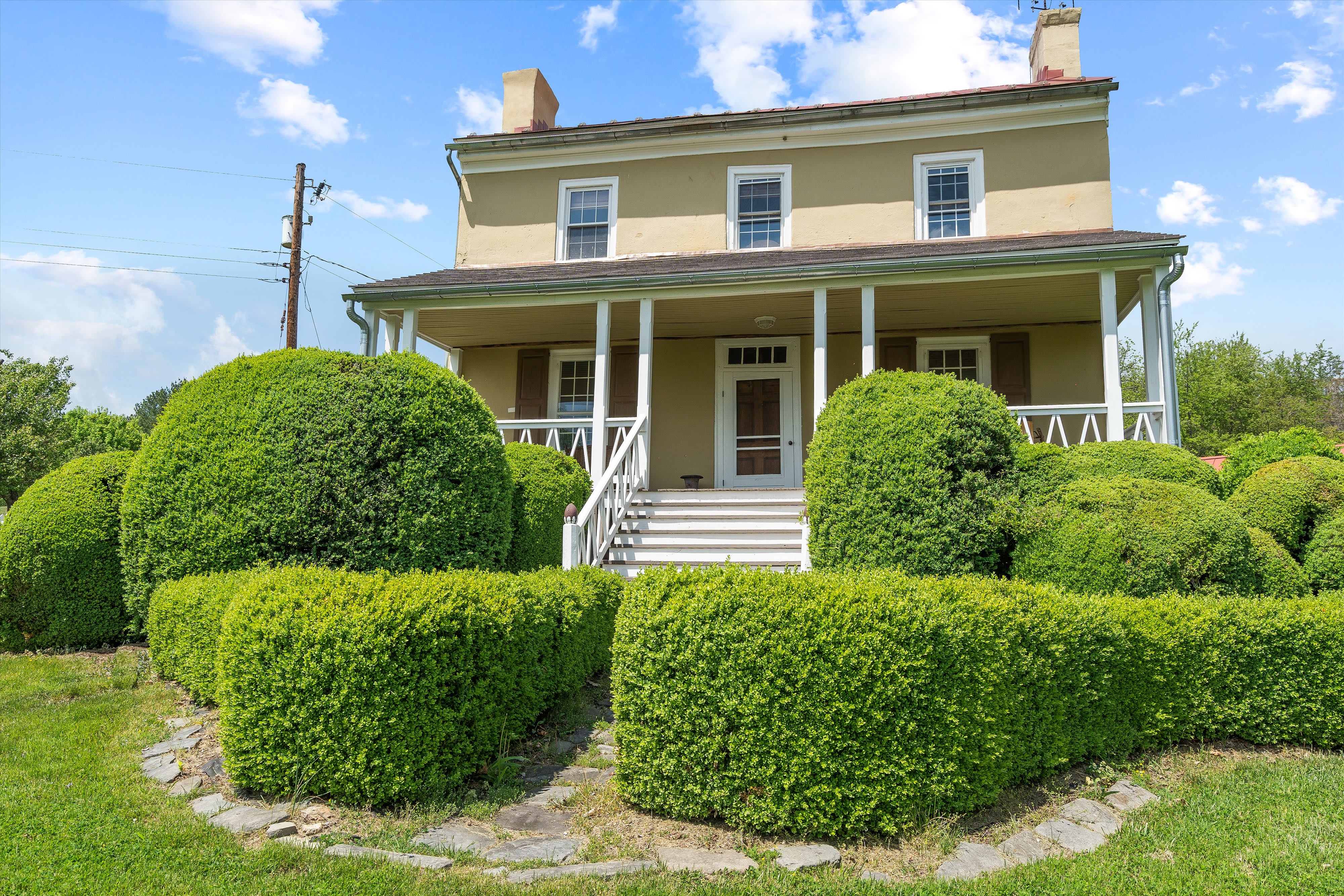

Buying an Older Home in Virginia: Charm, Character, and What Every Buyer Should Know
7-minute read
Category: Buying & Selling | Historic Homes
There’s Something Special About an Older Home
Walk through an older home, and you'll often notice something that's difficult to describe but easy to appreciate.
Maybe it's the original hardwood floors that have welcomed generations of families. Perhaps it's the detailed trim work, solid wood doors, tall ceilings, or the front porch that seems to invite neighbors to stop and chat. Older homes have a character and craftsmanship that's difficult to replicate.
Throughout Harrisonburg, Staunton, Waynesboro, Charlottesville, and the Shenandoah Valley, historic homes are part of what gives our communities their unique identity. Many have stood for decades—some for well over a century—and continue to be wonderful places to live.
At the same time, purchasing an older home is different from buying new construction. Understanding how these homes were built, how they've been maintained, and what deserves a closer look can help buyers make informed decisions and avoid unnecessary surprises.
Whether you're considering a restored Victorian in downtown Staunton, a charming bungalow in Harrisonburg, or a farmhouse tucked into the countryside of Rockingham or Augusta County, here are the things every buyer should know.
Quick Facts
Reading Time: 7 minutes
Best For: Buyers considering homes built before approximately 1975.
Bottom Line: Older homes often offer exceptional character and craftsmanship, but they deserve thoughtful evaluation before you make an offer.
1. Older Doesn't Mean Poorly Built
One of the biggest misconceptions about older homes is that newer automatically means better.
In reality, many historic homes throughout Virginia were built using materials that are difficult—or impossible—to find today.
Old-growth lumber.
Solid masonry.
Custom millwork.
Plaster walls.
Handcrafted details.
These homes were often constructed to last, and many have already proven that they can.
In Plain English: A home's age tells only part of the story. Its condition and the quality of maintenance over the years are often much more important.
2. Every Older Home Has a Story
One of the joys of purchasing an older home is discovering its history.
Who built it?
How has it changed over the years?
What original features remain?
Communities like Staunton, Harrisonburg, Lexington, and Charlottesville are filled with homes that reflect different periods of Virginia's architectural history. Understanding that history often helps buyers appreciate details they might otherwise overlook.
Character isn't something you can easily add during a renovation.
3. Electrical Systems Deserve a Close Look
Electrical systems have evolved significantly over the past century.
Depending on the home's age, buyers may encounter:
Knob-and-tube wiring
Aluminum branch wiring
Federal Pacific electrical panels
Outdated service capacity
Limited grounded outlets
None of these automatically mean a home shouldn't be purchased, but they do deserve evaluation by qualified professionals.
Modern electrical upgrades often improve both safety and convenience.
4. Plumbing Has Probably Changed Over Time
Many older homes have already received plumbing updates.
Others may still contain:
Galvanized steel supply lines
Cast iron drain pipes
Older shutoff valves
Aging fixtures
A home inspection can help identify what has already been updated and what may eventually require attention.
5. Foundations Move—That's Not Always a Problem
Many older homes settle over time.
Small cracks in plaster.
Doors that stick slightly.
Floors that aren't perfectly level.
These conditions aren't unusual.
The important question is whether movement is historic and stable or active and continuing.
An experienced home inspector or structural professional can help distinguish between normal aging and concerns that deserve additional evaluation.
6. Older Windows Tell Two Stories
Original wood windows often contribute significantly to a home's charm.
Many can also be repaired rather than replaced.
At the same time, buyers should understand the trade-offs between preserving historic character and improving energy efficiency.
The best answer isn't always replacing every original window.
Sometimes thoughtful restoration provides an excellent balance.
7. Heating and Cooling Systems May Have Been Updated
Mechanical systems rarely last as long as the homes themselves.
As you tour older homes, pay attention to:
Furnace age
Heat pump condition
Boiler systems
Ductwork
Electrical service
Insulation
Many historic homes have received substantial mechanical upgrades while preserving their original character.
8. Moisture Is Worth Paying Attention To
Moisture is one of the most important things to evaluate in any home, regardless of age.
Older homes may have:
Stone foundations
Crawl spaces
Basements
Original masonry
Proper drainage, gutter maintenance, grading, and ventilation all play important roles in keeping these homes healthy for generations to come.
9. Historic Districts Can Be a Wonderful Opportunity
Many buyers specifically seek homes located within historic districts.
These neighborhoods often feature:
Beautiful architecture
Walkable streets
Mature trees
Strong community identity
Long-term desirability
Depending on the location, there may also be architectural review requirements for certain exterior improvements.
Understanding those guidelines before purchasing can help avoid surprises later.
10. Don't Lose Sight of Why You Fell in Love With the Home
Buying an older home isn't simply purchasing square footage.
It's choosing craftsmanship.
History.
Neighborhood.
Architecture.
Community.
While every home requires maintenance, many buyers find that the charm and character of an older property are well worth the investment.
The goal isn't finding a perfect home.
It's finding the right home for you.
Key Point: Older homes reward buyers who appreciate craftsmanship, understand maintenance, and value character that simply can't be built overnight.
Key Takeaways
If you remember only a few things from this article, make them these:
✓ Older homes often feature exceptional craftsmanship and unique architectural details.
✓ Age alone doesn't determine quality—maintenance and updates matter just as much.
✓ Electrical, plumbing, HVAC, and foundations deserve careful evaluation.
✓ Historic districts may have additional guidelines for exterior changes.
✓ A thorough home inspection is one of the best investments you can make.
✓ Character, location, and craftsmanship are often what make historic homes so desirable.
Common Questions Property Buyers Are Asking
Should I avoid buying an older home?
Not at all. Many older homes are exceptionally well built and have been carefully maintained for decades. The key is understanding the property's condition before purchasing.
Are older homes more expensive to maintain?
They can be, depending on their condition and previous updates. However, newer homes also require maintenance. The goal is understanding what you're buying and planning accordingly.
Are plaster walls better than drywall?
Each has advantages. Plaster walls are often quieter, more durable, and contribute to the character of older homes, while drywall is generally easier to repair and modify.
Should I replace original windows?
Not necessarily. Many original wood windows can be restored and continue performing well. The best decision depends on their condition, energy efficiency goals, and whether the home is located within a historic district.
Are home inspections more important for older homes?
Yes. A quality home inspection helps buyers understand the condition of major systems and identify items that may require future attention.
Should I be concerned if the floors aren't perfectly level?
Not always. Slight variations are common in older homes. What's important is determining whether the condition is longstanding and stable or indicates ongoing structural movement.
About the Author
Isaac Hull is a REALTOR® serving Harrisonburg, Rockingham County, Staunton, Augusta County, Waynesboro, Charlottesville, Albemarle County, and communities throughout Central Virginia and the Shenandoah Valley.
With more than 10 years of experience as a licensed real estate professional, Isaac brings a well-rounded perspective shaped by a background in mortgage lending, residential and commercial real estate, land sales, construction, and small-scale development. He works with first-time homebuyers, growing families, investors, and clients buying or selling farms, estates, recreational land, and unique properties.
Isaac believes that informed clients make better decisions. Through this blog, he shares practical advice, local market insights, and straightforward explanations of the topics that matter most—from buying and selling a home to investment strategies, land ownership, market trends, and the unique characteristics of real estate across Central Virginia.
When he's not helping clients, you'll often find him exploring the Shenandoah Valley, enjoying the outdoors with his family, or discovering another corner of Virginia that reminds him why so many people choose to call this region home.
Continue Reading
Buying Land in Virginia: 10 Things Every Buyer Should Know Before Making an Offer
What Really Determines a Home's Value? It's More Than Square Footage
Does Square Footage Really Matter? Yes... But Probably Not the Way You Think
1031 Tax Exchanges Explained: A Guide for Real Estate Investors
Let's Talk Real Estate
Buying an older home is about more than purchasing a property—it's about investing in a piece of history and finding a home with character that's difficult to recreate. Whether you're considering a Victorian in Staunton, a craftsman bungalow in Harrisonburg, or a farmhouse in the Shenandoah Valley, understanding the home's history and condition is the first step toward making a confident decision.
If you have questions about buying or selling historic homes in Harrisonburg, Rockingham County, Staunton, Augusta County, Waynesboro, Charlottesville, Albemarle County, or anywhere throughout Central Virginia and the Shenandoah Valley, I'd be happy to help.
📞 Call or Text: (540) 435-0047
📧 Email: hullisaac@gmail.com
🌐 Website: https://www.isaachullrealtor.com